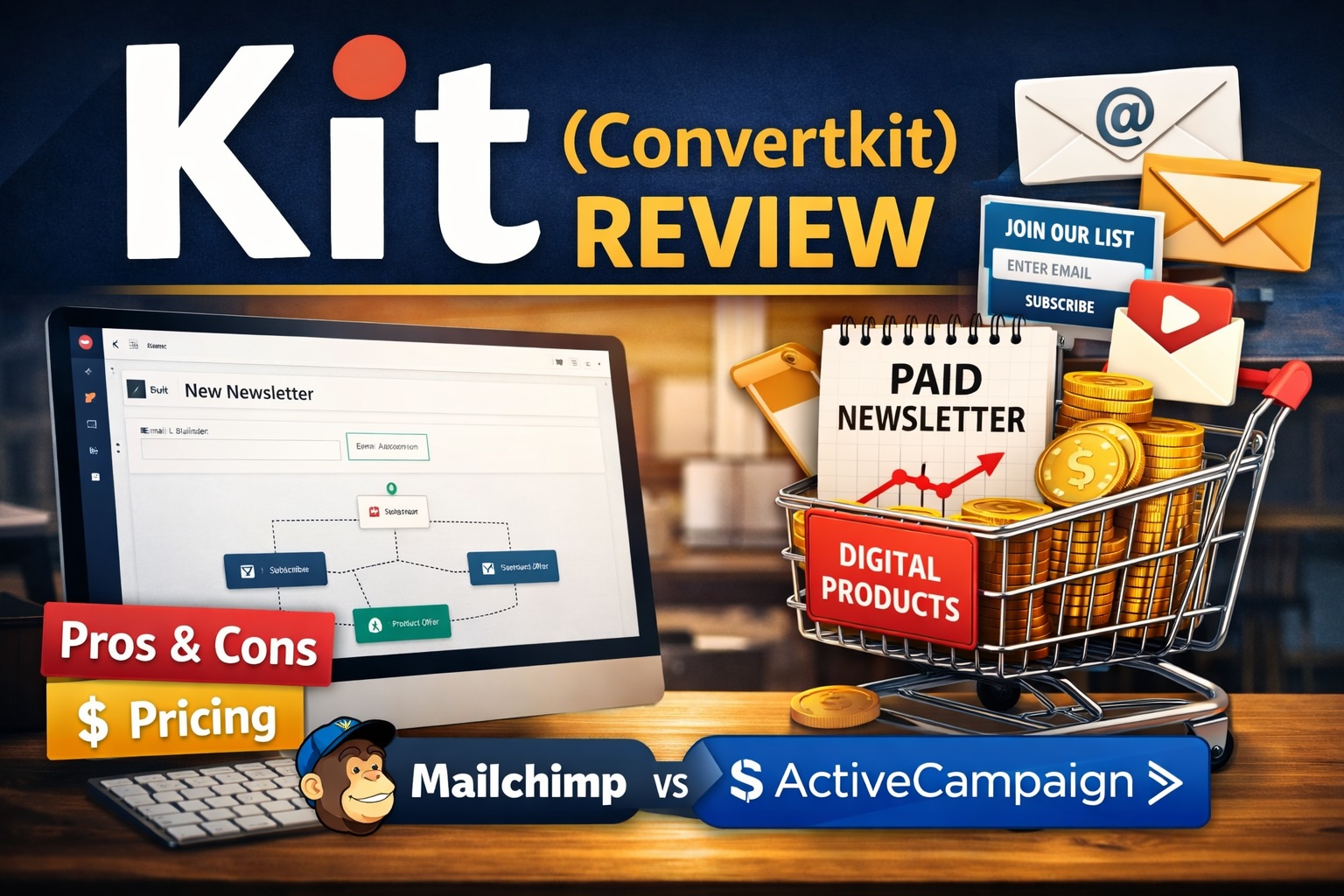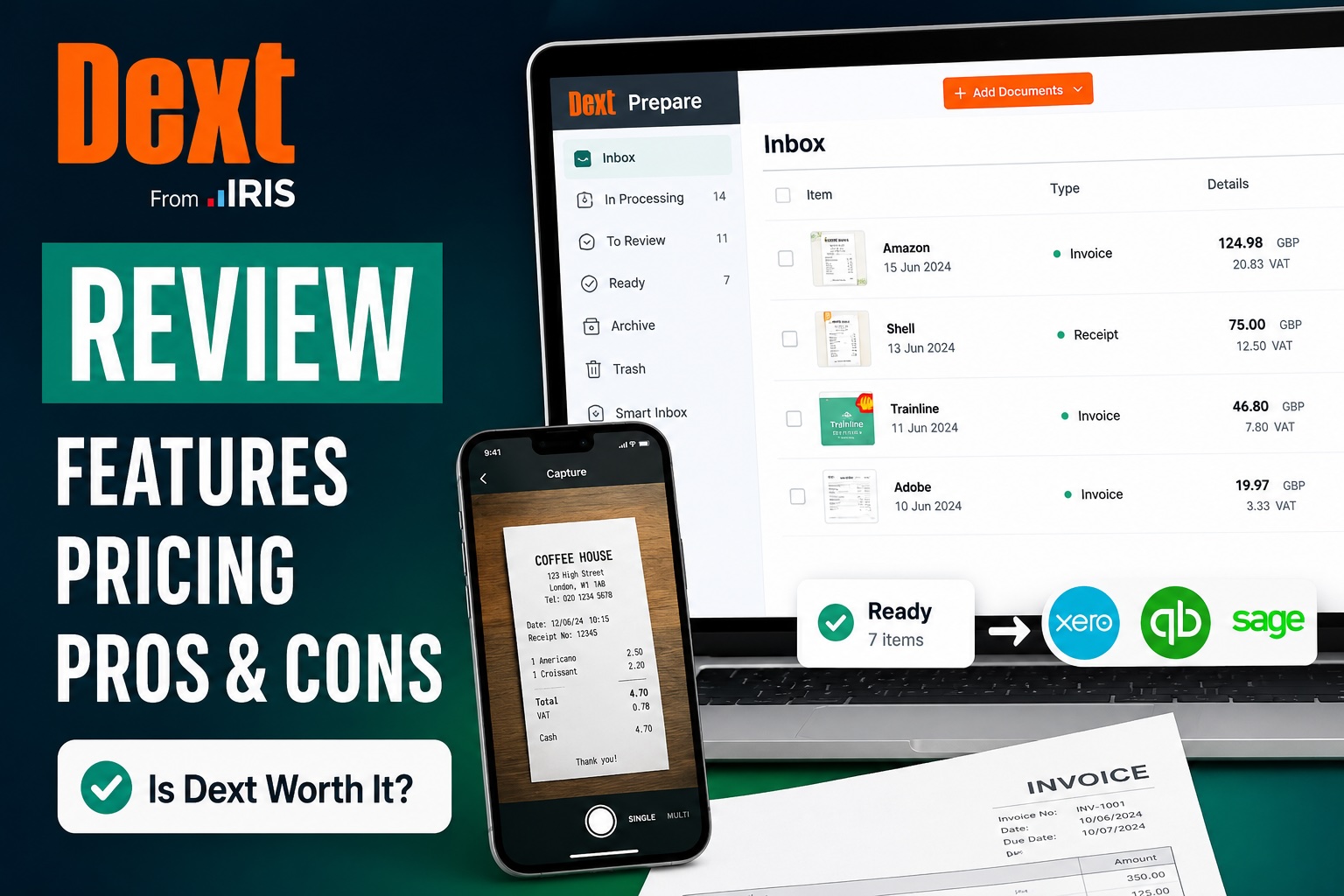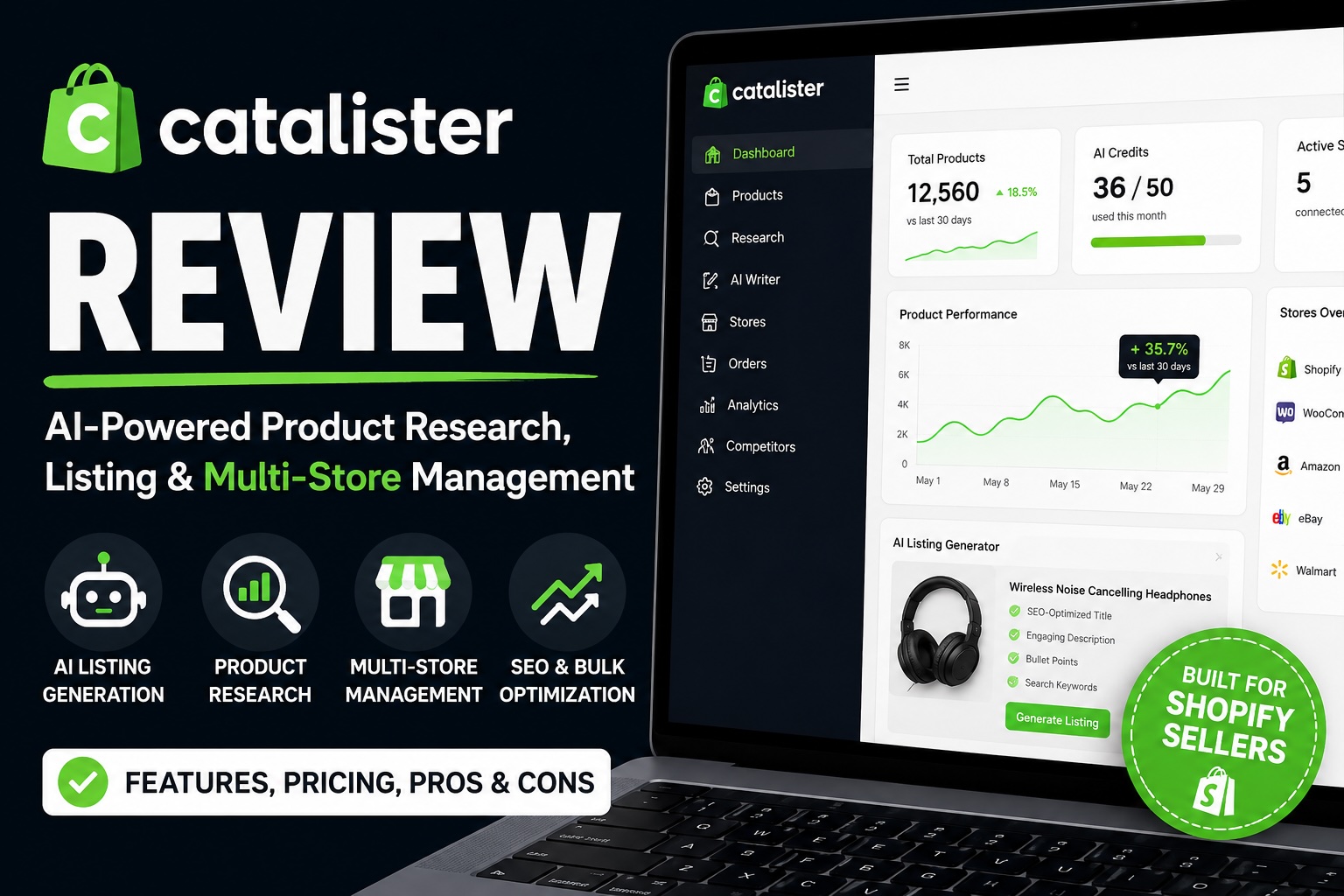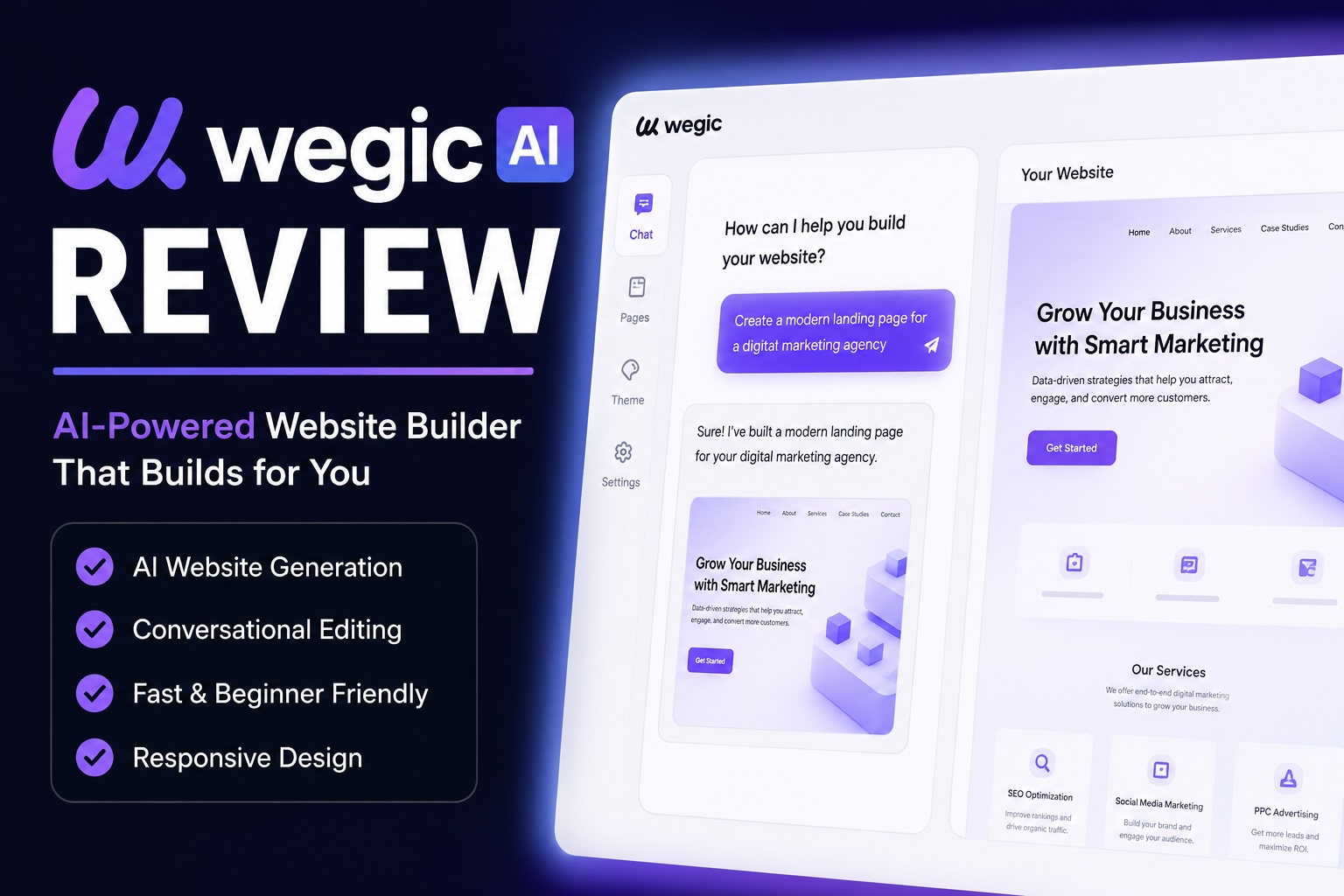
This Kit (Convertkit) review examines one of the most established email marketing platforms built specifically for creators. Whether you are a newsletter operator, online educator, or digital entrepreneur, understanding how Kit performs in real workflows is essential before committing.
What is Kit (Convertkit)? Kit is an email marketing platform designed for creators, offering tools for newsletters, automation, landing pages, and audience segmentation. It focuses on simplicity and monetization, helping users grow and engage email lists without requiring complex technical setup or advanced marketing knowledge.
What Is Kit (Convertkit)?
Kit, formerly known as ConvertKit, is a creator focused email marketing platform that prioritizes simplicity, automation, and monetization. Unlike traditional tools built for enterprise marketing teams, Kit is structured around individual creators, small businesses, and online educators.
The platform combines email broadcasting, automation workflows, landing pages, and audience segmentation into a single system. Its philosophy is clear. Keep the interface simple, reduce technical barriers, and allow creators to focus on content and growth.
Over the years, Kit has positioned itself between beginner friendly tools like Mailchimp and more advanced systems like ActiveCampaign. It aims to provide enough power for scaling without overwhelming users.
Kit (Convertkit) review: Core Features
The strength of Kit lies in its focused feature set. It avoids unnecessary complexity while still offering enough functionality to run serious email operations.
Email Broadcasting
Kit allows users to send newsletters and one time broadcasts with a clean editor. The editor is intentionally minimal. It focuses on text first emails rather than heavy design, which aligns well with creator driven content strategies.
While it does support templates, the platform clearly prioritizes simplicity over visual customization.
Automation Builder
The automation builder is one of Kit’s strongest features. Users can create visual workflows that trigger based on subscriber actions such as sign ups, clicks, or purchases.
Compared to more advanced platforms, the automation logic is simpler. However, for most creators, it covers essential needs such as welcome sequences, lead nurturing, and product launches.
Subscriber Tagging and Segmentation
Kit uses a tag based system rather than traditional lists. This allows users to segment audiences more flexibly without duplicating contacts.
This structure is particularly useful for creators managing multiple products or content themes within one audience.
Landing Pages and Forms
Kit includes built in landing pages and opt in forms. These are easy to set up and require no external tools, although customization is somewhat limited compared to dedicated page builders.
For users who want a simple way to collect emails without using third party software, this is a practical solution.
Monetization Tools
Kit offers features that allow creators to sell digital products and subscriptions directly through email. This includes paid newsletters and simple product sales.
While not as advanced as full ecommerce platforms, these tools provide a direct path from audience to revenue.
Kit (Convertkit) review: Use Cases
Kit is not designed for every type of business. It performs best in specific scenarios where simplicity and content driven growth matter.
- Content creators building newsletters or personal brands
- Online educators selling courses or digital products
- Coaches and consultants managing email funnels
- Bloggers monetizing through email sequences
- Small businesses focusing on direct audience relationships
For large scale ecommerce operations or complex marketing teams, Kit may feel limited. But for creator driven businesses, it aligns closely with how audiences are built and monetized.
Kit (Convertkit) Pricing
Kit pricing is based primarily on the number of subscribers. It offers a free plan with limited features and paid tiers that unlock automation and advanced functionality.
The free plan is suitable for beginners, but most serious users will need to upgrade to access automation and monetization features.
Paid plans scale gradually, which makes it accessible early on but potentially expensive as your list grows. This is a common pattern among email marketing tools.
If you are comparing Kit pricing to alternatives like Mailchimp or ActiveCampaign, you will find it sits in the mid range. It is not the cheapest option, but it avoids the complexity of higher end tools.
Exact pricing tiers may change over time, so it is recommended to verify directly on the official website.
Pros and Cons
Pros
- Clean and intuitive interface that is easy to learn
- Strong automation capabilities without overwhelming complexity
- Flexible tagging system for advanced segmentation
- Built specifically for creators and digital products
- Integrated monetization features for direct revenue generation
Cons
- Limited design customization for emails and landing pages
- Pricing increases significantly as subscriber count grows
- Automation is less advanced compared to high end platforms
These pros and cons highlight Kit’s positioning. It is designed for simplicity and creator workflows, not for enterprise level marketing complexity.
Kit (Convertkit) vs Competitors
To understand whether Kit is worth it, it is important to compare it against key competitors.
Kit vs Mailchimp
Mailchimp is often the default choice for beginners. It offers more design flexibility and a broader set of marketing tools. However, its interface can become complex as campaigns scale.
Kit, on the other hand, simplifies the experience. It focuses on email first workflows and avoids unnecessary features. For creators, this often results in a smoother experience.
Kit vs ActiveCampaign
ActiveCampaign is significantly more powerful in terms of automation and CRM functionality. It allows for advanced workflows and deep customer tracking.
However, that power comes with complexity. Kit provides a more streamlined alternative for users who do not need enterprise level automation.
If your priority is simplicity and speed, Kit is often the better choice. If you require deep automation and advanced segmentation logic, ActiveCampaign may be more suitable.
Other Kit alternatives include platforms like Substack for paid newsletters and Beehiiv for growth focused newsletters, although these tools differ in scope and functionality.
FAQ
Is Kit (Convertkit) good for beginners?
Yes, Kit is designed with beginners in mind. Its interface is clean and easy to navigate, making it accessible for users who are new to email marketing while still offering enough depth for growth.
How does Kit (Convertkit) compare to other email tools?
Kit sits between simple tools like Mailchimp and advanced platforms like ActiveCampaign. It offers a balance of usability and functionality, making it particularly appealing to creators and small businesses.
Can you make money with Kit?
Yes, Kit includes built in monetization features such as paid newsletters and digital product sales. These tools allow creators to generate revenue directly from their audience.
Is Kit (Convertkit) worth the price?
For creators and small businesses, Kit is often worth the price due to its simplicity and focus. However, larger businesses may find better value in more advanced platforms.
How to use Kit (Convertkit) effectively?
The most effective approach is to combine lead magnets, automation sequences, and consistent email content. Kit works best when used as part of a long term audience building strategy rather than isolated campaigns.
Is Kit (Convertkit) Worth It?
Kit is worth considering if your business is built around content, audience relationships, and digital products. Its strength lies in removing friction and allowing users to focus on communication rather than technical setup.
However, if your needs involve complex automation, detailed analytics, or enterprise level workflows, you may outgrow the platform over time.
Ultimately, the decision depends on your business model. For creators, Kit remains one of the most practical and focused tools available.
Final Verdict
Overall Rating: ★★★★☆ (4.5 / 5)
Kit delivers a well balanced email marketing solution for creators. It does not try to compete with enterprise platforms, and that is precisely its advantage. The platform is clear, focused, and effective for its target audience.
For anyone building a personal brand, newsletter, or digital product business, Kit offers a reliable and scalable foundation without unnecessary complexity.
👉 Try Kit (Convertkit) here and see if it fits your workflow